Stock sounds are not automatically basic, and third-party sample packs are not automatically better. They are different sources with different strengths. The useful comparison is how quickly each one gets you to the character, control and workflow your beat needs.
Here is how to combine stock sounds and sample packs without collecting duplicates or losing your own sound.
What stock sounds do well
Your DAW library is already integrated, searchable and usually designed to demonstrate the tools around it. Stock drums can be clean building blocks. Stock instruments are often efficient, automation-ready and light on CPU. They are excellent for sketches and for parts that do not need a highly specific genre identity.
Because every producer with the same DAW may have access to them, the challenge is not quality but context. Change the envelope, pitch, velocity pattern and processing chain. A familiar source becomes personal when the rhythm and treatment are specific.
What curated sample packs do well
A focused pack compresses a style into usable choices. Its kicks, snares, 808s and percussion often share a tonal direction, which makes it faster to build a coherent palette. A good pack can also supply textures or recording chains that are difficult to recreate with stock tools alone.
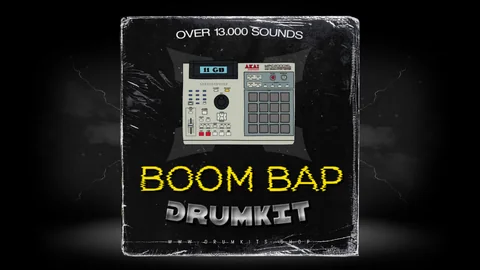
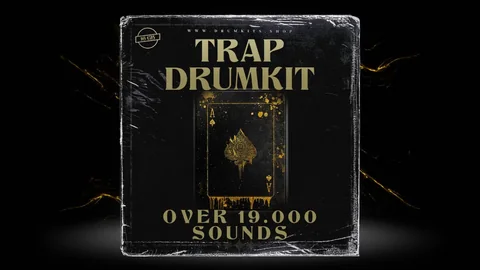
Genre collections make that advantage clear. Boom Bap Drum Kits emphasize a different attack and texture than Trap Drum Kits. That difference is more useful than owning two general folders with the same clean drums.
One-shots: control versus character
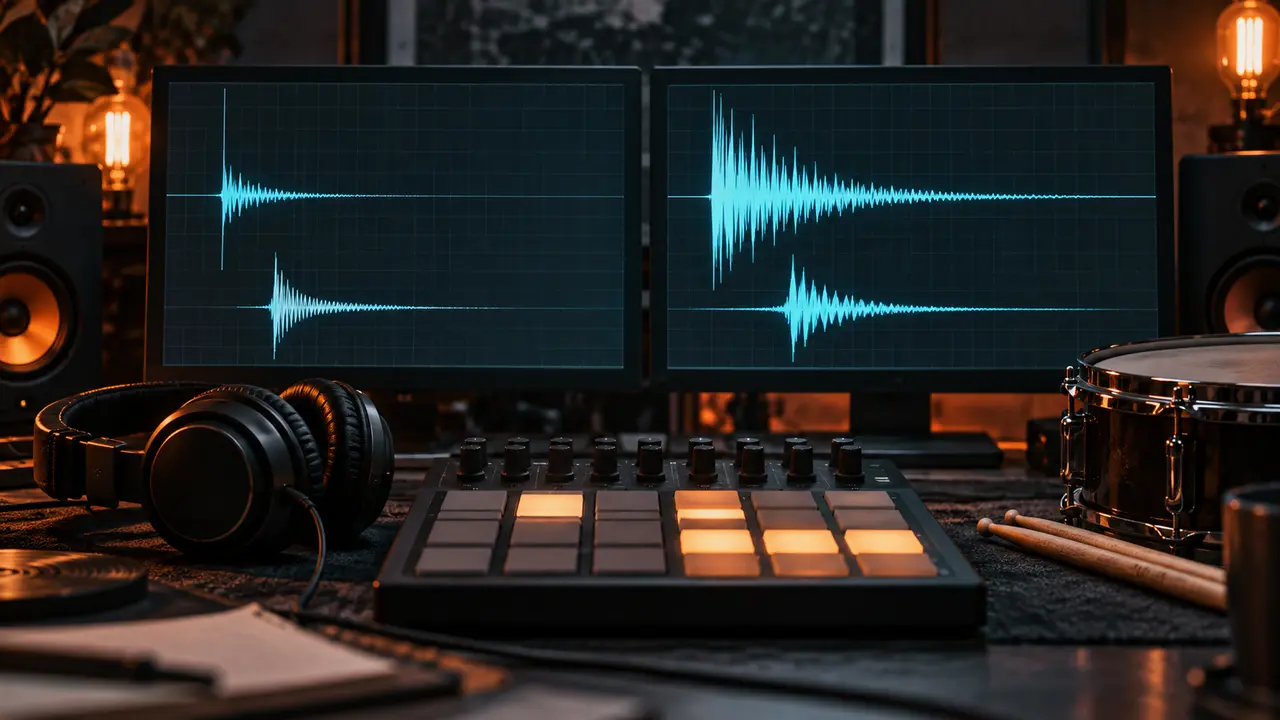
Stock one-shots are often neutral and easy to shape. Third-party one-shots may arrive closer to a finished aesthetic. Use neutral sounds when the arrangement needs precision or extensive layering. Use character sounds when they already communicate the genre at the correct level.
Do not process by habit. If a snare from the Boom Bap Drum Kit already has the body and space you need, another saturation chain may only reduce clarity. If a stock snare is close but plain, layering a quiet texture can be enough.
Presets and audio samples are not interchangeable
A preset stays editable: notes, envelopes and synthesis parameters can follow the song. An audio sample is immediate and stable. Presets are useful for sustained melodic parts and custom automation; samples excel at precise transients, resampling and consistent playback.
Choose according to the decision you want to make. If you want to design a bass movement, start with a synth. If you need a specific 808 attack and decay, use a tuned one-shot. If you want a harmonic prompt, chop a loop.
A hybrid workflow that stays fast
- Sketch harmony and structure with familiar stock instruments.
- Choose genre-defining drums from a focused pack.
- Replace only the stock sounds that lack character or control.
- Layer a neutral source beneath a textured source when each has a clear role.
- Save the final combination as your own preset or bounced one-shot.
This workflow avoids two extremes: forcing every beat through the same stock palette or replacing everything simply because a third-party sound is available.
Avoid duplicate-library syndrome
Before adding a pack, compare it against ten sounds you already trust. If most candidates cover the same attack, tone and length, the new folder may not improve your work. Keep it in an archive until it proves useful.
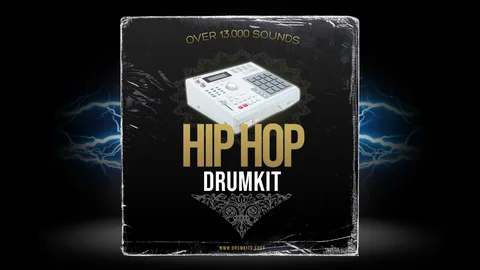
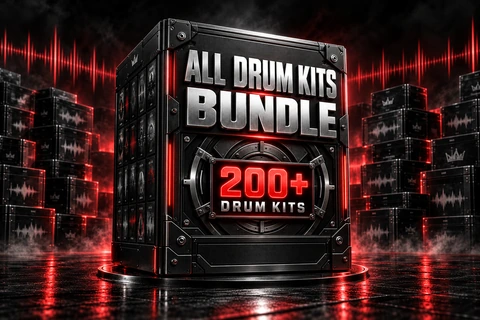
For broader coverage, a bundle such as the All Drum Kits Bundle should be treated as a source library. Create smaller genre and favorites folders from it. For a narrower need, choose a single public kit such as the Hip Hop Drum Kit or Trap Drum Kit.
How to develop your own sound
Your sound is not a secret folder. It is the pattern of choices you repeat: how short your kicks are, where your snares sit, how your 808s move, which imperfections you keep and how much space you leave. Source material matters, but selection and arrangement create identity.
Build a personal folder only from sounds that have survived finished tracks. Add your processed layers, resampled drums and tuned basses. Over time, stock sounds and purchased packs become raw material for a library no one else has in exactly the same form.
Run a blind source comparison
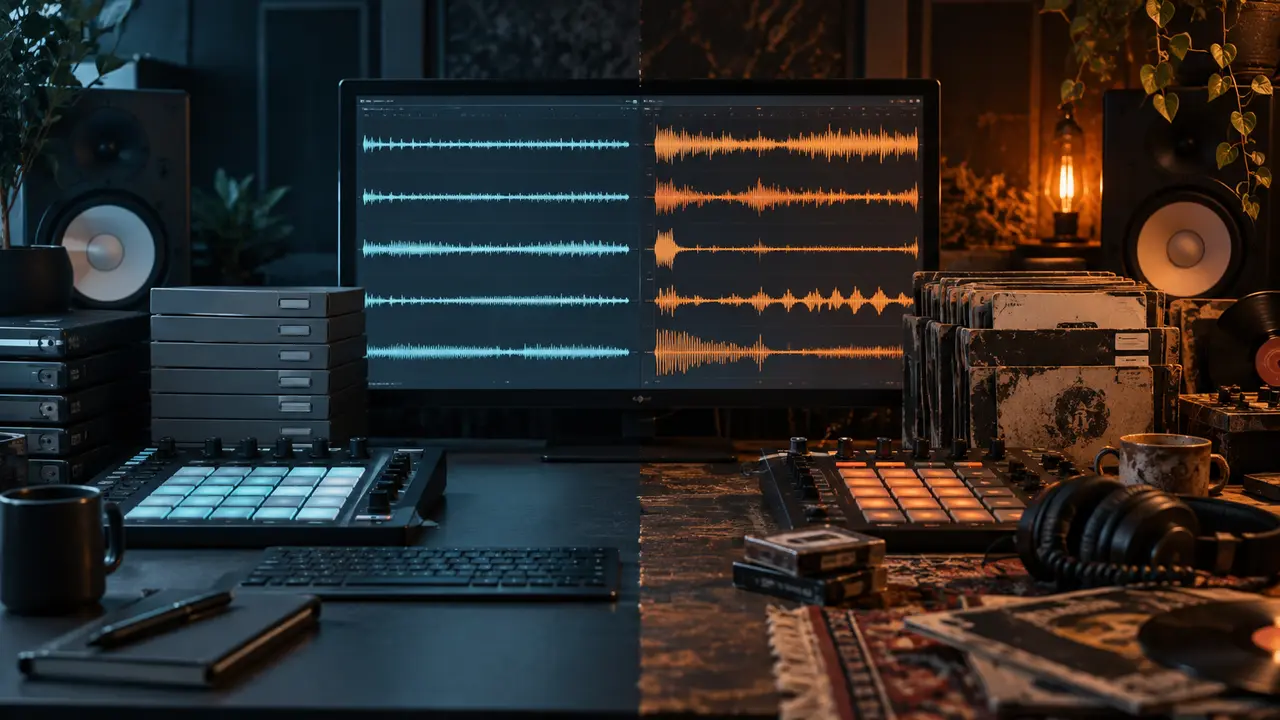
To remove brand and folder bias, copy a few stock and third-party candidates into a temporary folder with neutral names. Match their levels, then audition them inside the same pattern. You may discover that the stock kick is cleaner, the purchased snare has better texture and a custom layer combines the strengths of both.
Rate each sound by role rather than overall quality: attack, body, tail, pitch stability, stereo width and how much processing it needs. A sample can score poorly as a main kick and work perfectly as a quiet attack layer. Save that role in the filename of your copied favorite.
This exercise turns the debate into a practical library decision. Keep the sources that repeatedly win in context, regardless of origin, and stop treating a purchase as an obligation to use every included file.
Decide what to process and what to replace
When a sound is close, use one deliberate adjustment: envelope for length, pitch for tone, EQ for space or saturation for harmonics. Compare again. If the sound still needs several corrective stages, replace it before the mix becomes dependent on a rescue chain.
Keep processing that creates identity. Replace processing that only fights the source. That distinction helps stock sounds and purchased samples work together without turning every channel into a technical project.
Conclusion
Use stock sounds for speed, neutrality and deep DAW control. Use sample packs for focused character, genre vocabulary and new raw material. The strongest setup is usually hybrid: familiar tools for structure, curated sounds for identity and your own saved processing for continuity.