Genre labels help, but they do not tell you whether a sample pack will fit your actual beats. Two trap kits may have completely different envelopes, 808 behavior and tonal balance. The useful question is not “Is this pack popular?” but “Does this pack support the rhythm and texture I am trying to make?”
Use the process below to choose a sample pack without filling your drive with near-duplicates.
Define the beat before the download
Write a one-sentence brief for the next few tracks. Include tempo range, mood, drum character and the element you are missing. “Dark drill at 142 BPM with short kicks, sliding bass and metallic percussion” is actionable. “I need better sounds” is not.
Your brief turns browsing into a comparison. You can reject a pack that sounds good but does not solve the current problem. It also prevents cover design or file count from becoming the decision.
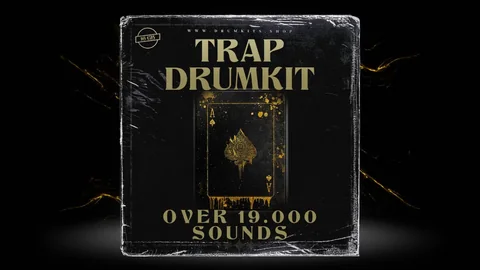
Trap: prioritize 808 control and clean transients
Trap kits should give you 808s that remain usable across several notes, hats that respond well to velocity changes and drums with enough definition for dense melodies. Listen for different kick lengths, claps with distinct width and percussion that can create pockets around the backbeat.
A giant low end is not automatically better. You need 808s with identifiable pitch and tails that can be shortened. Start with the Trap Drum Kits collection; the Trap Drum Kit is a broad option, while artist-oriented packs can provide a narrower color.
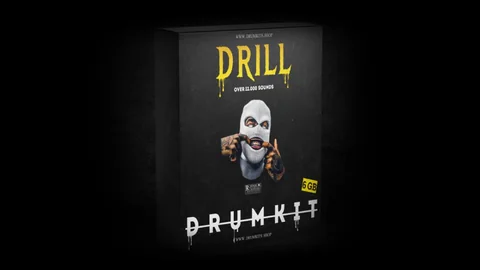
Drill: look for movement, space and bass articulation
Drill relies on rhythmic tension. Short kicks, sliding bass, syncopated hats and percussion with a sharp identity are more important than a huge quantity of general drums. The bass must stay readable during slides, and the kick should punch without masking every 808 note.
Compare the sounds in the Drill Drum Kits collection. The Drill Drum Kit gives you a focused place to start; audition it at the tempo and note range you actually use.
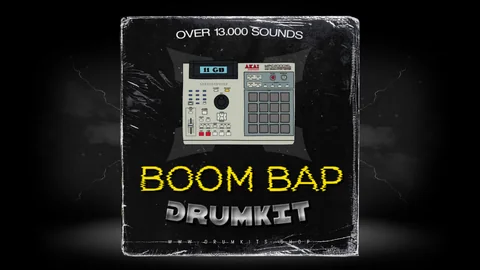
Boom bap: choose texture with usable punch
Boom bap samples often need body, room and character, but “dusty” should not mean unusably noisy or dull. Good kicks still define the groove, snares still speak at lower listening levels and drum breaks should survive chopping.
Listen for contrast between dry and roomy hits, plus enough tonal variety to build different records without losing the genre. Browse Boom Bap Drum Kits and compare the large Boom Bap Drum Kit with more focused releases.
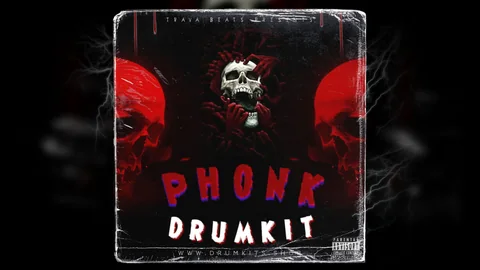
Phonk: separate style from distortion
Phonk often uses cowbells, saturated drums and aggressive bass, but distortion cannot replace a clear source. A useful pack gives you sounds that work before heavy processing and remain controllable after it. Check whether cowbells have clean pitch centers and whether clipped drums retain a distinct transient.
The Phonk Drum Kits collection includes broader and more specialized directions. The Phonk Drum Kit is a direct genre starting point, while related kits can add a more specific regional or underground color.
Evaluate the workflow, not only the audio
A pack can contain excellent sounds and still slow you down if folders are inconsistent or filenames are meaningless. You should be able to identify kicks, snares, 808s and loops without opening several nested levels. Good organization makes it easier to audition with keyboard shortcuts and build favorites.
Five checks before committing
- The pack fills a named gap in your library.
- The drums fit your usual tempo and arrangement density.
- Bass sounds can be tuned and shortened cleanly.
- There is enough variation without obvious duplicate padding.
- Folder names support fast DAW browsing.
Use a small test project
Create one neutral eight-bar project for evaluating new packs. Keep a simple chord or melody loop, route drums to the same mixer channels and avoid mastering effects. Swap candidates at matched levels so loudness does not win.
Test one beat in the target genre and one outside it. The first reveals authenticity; the second shows flexibility. A good purchase should either become a dependable specialist or provide several sounds strong enough to enter your core favorites folder.
Separate authenticity from imitation
A genre-appropriate sample gives you the right vocabulary, but it should not force you to recreate somebody else's record. Use references to identify measurable traits: drum length, brightness, swing, bass movement and amount of room. Those traits can guide selection without copying a specific pattern or melody.
After choosing a pack, change at least two parts of the context. Write your own velocity shape, combine the drums with a different tempo range, resample one texture or use percussion from a neighboring genre. This is especially effective between compatible collections: trap drums can gain movement from drill percussion, while a clean hip-hop kick can add focus beneath a dusty boom bap layer.
If the pack only works when you reproduce its demo, it is too narrow for your workflow. A strong genre kit should help you make several distinct beats while still sounding internally coherent.
Make the final decision with an export
Export the same short test beat with each finalist and leave the studio for a few minutes. Compare the files on headphones and one ordinary playback system without looking at the pack names. Listen for groove, low-end stability and how much space remains for a lead or vocal.
Choose the pack that supports the record with the least repair. Save the runners-up in the archive rather than the active browser. A decision is valuable because it lets production continue.
Conclusion
The right pack fits the musical job, not just the genre label. Define your target, listen for the envelope and texture that create that groove, then test the files inside a real arrangement. Your collection becomes smaller, faster and much more personal.