The best trap drum kits do not simply sound loud in isolation. They give you drums that lock together quickly: 808s with stable pitch, kicks that can punch around the bass, hats with useful variation and one-shots that leave space for melody and vocals.
Use this guide to evaluate trap kits in 2026 without chasing every new folder.
Start with the 808, because it sets the limits
The 808 determines how much room remains for the kick and lower melody. Look for several envelope shapes: short hits for busy patterns, longer sustained bass for sparse arrangements and a few textured options for hooks. Every source should be testable across pitch.
Load an 808 into your sampler, set its root note and play it over an octave. Listen for notes that lose weight, click unexpectedly or become noisy. A pack with fewer stable 808s is more useful than one with a hundred files you cannot tune.
Kicks need identity without unnecessary tail
A trap kick should either add attack above the 808 or provide low-mid weight where the bass is lighter. Avoid choosing both elements for the same frequency and time window. If the kick disappears, try a shorter or more mid-forward sample before boosting it.
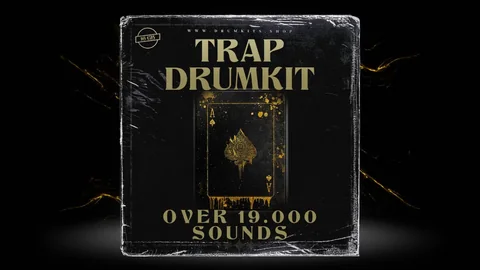
The broad Trap Drum Kit is a useful public starting point for comparing roles. Browse the full Trap Drum Kits collection when you need a more specific color.
Hi-hats should support velocity and rhythm
A folder of bright closed hats is not enough. Useful trap kits include tight and loose hats, open hats with different tails and textures that remain audible at low velocity. Variation lets the groove move without adding another instrument.
Build a two-bar pattern, lower alternate velocities and change the sample start slightly on selected hits. The best hat choice stays consistent without sounding mechanically repeated. Rolls should create emphasis, not fill every empty subdivision.
Snares, claps and percussion define the pocket
Trap backbeats can be dry, wide, pitched or layered, but they should speak clearly at the intended tempo. Check the attack against the melody and the tail against the next hat or percussion event. A long clap may feel wide at 120 BPM and cluttered at 160 BPM.
Percussion should create a call-and-response relationship with the snare and 808. Choose one signature sound for the groove, then use smaller details sparingly. Distinctive does not have to mean loud.
Artist-inspired kits are references, not formulas
An artist-oriented kit can quickly point toward a production vocabulary, but copying the exact demo rhythm defeats the purpose. Use it to understand sound relationships: how bright the hats are against the melody, how short the kick is beside the bass and how much negative space the drums leave.
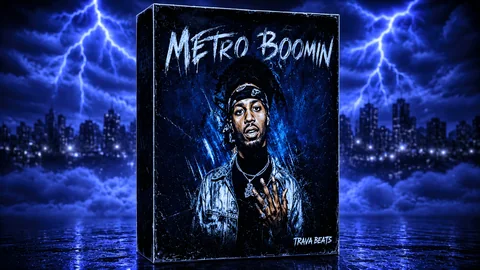
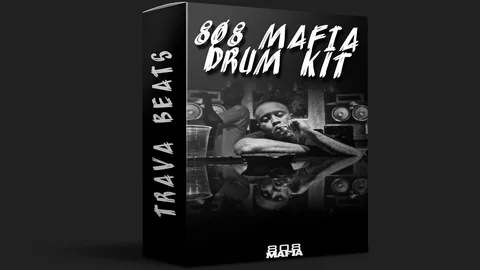
Public options include the Metro Boomin Drum Kit and 808 Mafia Drum Kit. Combine a small number of their sounds with your own processing and arrangement choices rather than stacking several references into one beat.
Run a fair four-part test
- Write one eight-bar melody at your normal tempo.
- Choose an 808 and confirm its root note.
- Audition five kicks at matched level with the bass playing.
- Add one snare, one closed hat and one percussion voice.
Do not master the test. If the rough loop already has balance and movement, the kit is doing useful work. If every element needs extreme EQ, the palette may be wrong for your production style.
Build a trap palette you can finish with
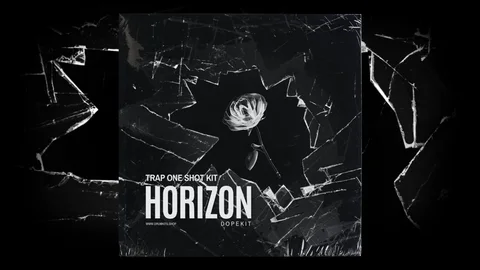
Once a kit passes the test, copy only the strongest sounds into a project palette. Include two alternatives for each central role, then stop browsing. A focused one-shot source such as the Trap One Shot Kit “Horizon” can complement the palette without replacing it.
Finish one beat before deciding whether the kit belongs in your permanent favorites. Sounds that work in a completed arrangement are more valuable than sounds that win a solo preview.
Match drum density to melody density
Dark, sparse melodies can support more hat detail and longer 808 movement. Dense melodic loops often need fewer percussion voices and shorter drum tails. Evaluate a trap kit against both situations so you know whether it is a specialist or a flexible main library.
For a dense loop, begin with kick, snare and one closed hat. Add percussion only when it creates a clear answer or transition. For a sparse loop, use velocity and open-hat length to create motion before adding another melodic layer. The best samples remain expressive under both approaches because their envelopes and tone are easy to control.
When comparing kits, avoid using a different pattern for each one. Keep the MIDI and levels consistent, swap the entire palette, and write down which kit needs the fewest repairs. That test is more reliable than a loud folder preview or a demo built around different material.
Use reference tracks without matching loudness
Turn the reference down until its overall level is close to your rough beat. Compare relationships rather than final volume: kick length against 808 sustain, snare brightness against the melody and hat density across sections. A mastered reference will otherwise make every unmastered drum choice seem weak.
Take one observation at a time and return to your track. If the reference leaves more space around the backbeat, remove a percussion part before changing the snare. If its bass notes are clearer, shorten overlaps before adding distortion. References should guide decisions, not erase your own palette.
Conclusion
The best trap kit is stable in pitch, varied in envelope and coherent in tone. Test 808s across notes, choose kicks around the bass and use hats and percussion to shape the pocket. Then commit to a small palette long enough to finish the record.